
Russell Park Smiles
Reasons You May Have A Dry Mouth
 We all know drinking enough water is good for our health. And when you’re feeling parched, there’s nothing better than a tall drink of ice-cold water to dampen that dry mouth of yours.
But what do you do when you find yourself constantly needing to wet your whistle?
There are numerous reasons you could be suffering from dry mouth. Below are the top five.
Physiologic
Sometimes having a dry mouth is just a normal part of life. Temporary anxiety, open-mouthed breathing, mild dehydration, menopause, pregnancy, and decreased saliva due to sleep are all normal causes of dry mouth.
Prescription medication
Sixty-three percent of the top 200 most commonly prescribed drugs in the U.S. are known to cause dry mouth. And the higher the number of medications a person takes, the higher the chance of dry mouth. That’s why as we age, we tend to experience more instances of dry mouth. It’s not necessarily age-related, but our consumption of medication may cause this side effect.
Habitual use of alcohol and tobacco
Use of any of these products will dry out the oral cavity.
Please drink in moderation, and make sure to up your water intake when you imbibe. As for tobacco, we always recommend quitting as soon as possible.
Chronic Disease
Diabetes, Sjogren’s disease, Sarcoidosis, Hepatitic C can all cause dry mouth.
Psychogenic or Idiopathic
When symptoms are present without an identifiable cause (idiopathic), or because of psychological causes (psychogenic), they can be difficult to diagnose.
If you find yourself with a persistent, unidentifiable case of dry mouth, you should make an appointment Russell Park Smiles Phone Number (301) 690-9010.
Figuring out which one is causing your dry mouth is so important because a dry mouth has a big effect on your dental health. Saliva is so important for swishing away bacteria.
The dryer the mouth, the more prone you are to cavities, bad breath, and gingivitis.
We recommend visiting us or your doctor for a consultation on why you may be experiencing a dry mouth.
What to Do When You Crack a Tooth
 Ouch!
Ouch!
Chomp on something your tooth didn’t like? Or get hit in the mouth with a hockey puck?
If you think you may have a cracked tooth, or if you’re holding a piece of your tooth in your hand, follow these steps!
- Give us a call to schedule an appointment Russell Park Smiles Phone Number (301) 690-9010. Let us know about your emergency and we will make our best effort to see you right away.
- If there are tooth fragments that have fallen out, preserve them in a clean container with a moist solution (cold milk, water, saliva), and bring them into your appointment.
- Apply a cold pack to your jaw to lessen any pain and swelling.
- If bleeding, bite down on a gauze pad until bleeding stops.
It is possible to have a cracked tooth and not know it.
If you have any pain when biting down, or when eating something hot or cold, it’s best to get it checked out.
In order to prevent further damage to the tooth or an infection, it’s very important to correct a cracked tooth immediately.
hello
How To Quickly Treat Cold Sores
Got a Cold Sore? Here’s How to Treat It Quickly
Ugh. A cold sore appears a couple days before a party where you’ll be photographed as much as the Royal Couple. That smile that we’ve been working on together just went from hero to zero, right?
Not necessarily. Finding which cold sore treatment works best for you can help speed along its healing. And that’s why we’re here.
Maybe It Isn’t a Cold Sore, Right?
Let’s clear the air about what a cold sore is and isn’t.
Cold sores are contagious blisters that usually appear on your lips or around your mouth. Caused by a virus, cold sores usually start with a tingling sensation, evolve into numerous tiny, painful blisters, and later crust over.
Canker sores, on the other hand, aren’t contagious, but they still sting. Unlike cold sores, they usually appear as white oval lesions inside your mouth, especially near or on your gums.
Remedies for Cold Sores
The key to treating a cold sore is acting fast. As soon as the first symptom appears, consider these steps to move the healing process along quickly:
- Apply Ice to the Cold Sore
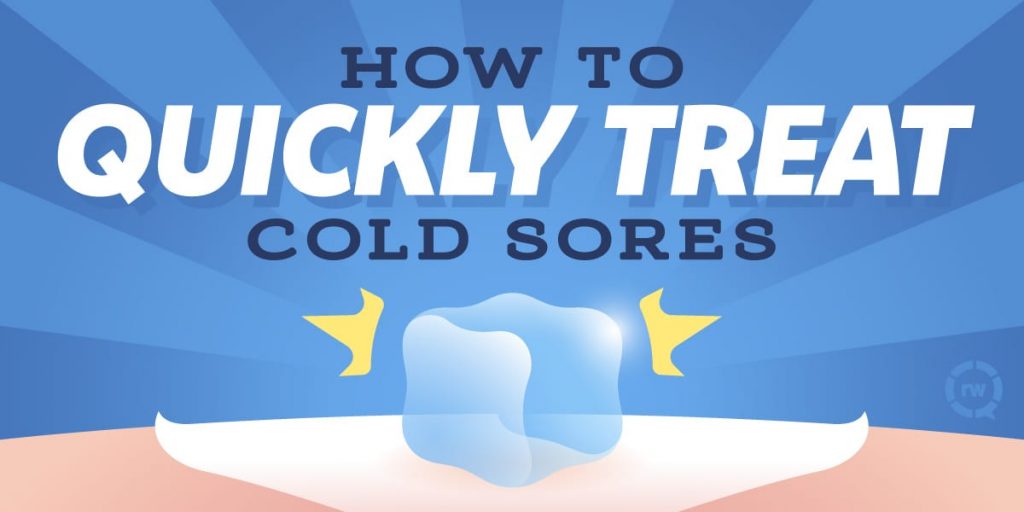
At the first sign, grab an ice cube, wrap it in a paper towel, place it where you feel the cold sore coming on, and let it melt. Back-to-back applications can reduce the pain.
- Switch to a Cold-Sore-Fighting Diet
You can boost your immune system’s fight against this viral nuisance with the right foods. Fill your plate with cruciferous vegetables, like broccoli, kale, and cauliflower, and avoid foods with arginine, a cold-sore-triggering amino acid found in nuts, chocolate, and oats.
- Dial Down the Stress
One of the most common causes of cold sores is, surprise, surprise, stress. Minimizing stress these days can get so complicated that it causes more stress, right? But try giving yourself some time for the restorative, restful activities that drop your heart rate and raise your smile.
- Reach for Aloe Vera or Even an Over-The-Counter Cream
Both natural and medicinal creams have shown promise as cold sore remedies. Some studies suggest that aloe vera can help the fever blister heal, and over-the-counter creams, like docosanol, also tout their ability to knock the sore out of cold sores. Prefer the medicinal route? Check with your healthcare provider or pharmacist before using it.
- Relieve Pain with Acetaminophen or Ibuprofen
Some cold sores can get really painful. For those intense ones, acetaminophen or iburprofen may provide well-needed relief. Just be sure that your healthcare provider’s on-board with that type of over-the-counter med.
There you have it. You’re on the fast track to treating that cold sore quickly and living your best life at the party. Don’t forget to smile!
What Causes Tooth Discoloration?
 Ever look at a photo of yourself from only a few years ago and ask yourself, “Huh, were my teeth looked a bit brighter back then?” We definitely do.
Coffee and red wine usually get the blame for teeth discoloration, but several other causes may be the culprit.
Common Reasons for Tooth Discoloration
Spotty Dental Routine
We’re definitely a little biased at
Diet
Some of the foods we hold dearest to our heart, at least at
Tobacco Use
Smoking and chewing tobacco can cause a slew of health issues, the least worrisome of which is yellow teeth. That said, it’s one of the most common aesthetic complaints among tobacco users.
Too Much Fluoride
Fluoride is a good thing, but like all good things, too much of it isn’t recommended. Consuming too much of it, like in tap water or through dental care products (like mouthwash), can leave streaks across or a brown outline on your teeth.
Enamel Decay
Enamel is that hard shell that protects the inside of your tooth. But if it decays or doesn’t fully develop, you may see a variety of stains and changes, including pits, white spots, or yellow-brown streaks. If you suspect decay, schedule an appointment with us as soon as possible.
What Helps Prevent Stains
Pardon our sounding like a broken record, but generally, the one great way to prevent teeth discoloration is to take exquisite care of your teeth and your health. Here are some of our favorite measures you can take right away to keep your teeth bright:
- Brush after eating or drinking
- Floss daily
- Pass on the sugary foods and drinks
- Add calcium to your diet
- Nix any tobacco use
We Can Help, Too
If you need some help adding more sparkle to your smile, we’re here for you, too. We offer a number of whitening services. Give us a call to learn more or to schedule your appointment!
Kicking the Tobacco Habit is Good for your Mouth
 While the current percentage of Americans who smoke cigarettes is the lowest it’s been in decades, those who continue the habit remain at risk for heart and lung disease. Additionally, while we know smoking is also bad for our oral health, most don’t understand just how bad it is…
More Than Just Stained Teeth
From its seemingly mild side effects (bad breath, tooth discoloration, buildup of plaque and tartar), to the more sinister (increased risk of oral cancer, loss of bone within the jaw, gum disease and any number of resulting complications) – tobacco is indeed an oral health risk. Tobacco can cause serious health issues by breaking down the attachment of bone and soft tissue to your teeth. Because of this breakdown, the use of tobacco makes smokers much more susceptible to infection and diseases. In fact, 90% of people who have cancer of the mouth, throat, or gums admit to using tobacco in some form.
Cigarettes, cigars and pipes aren’t the only culprits; smokeless tobacco can be just as detrimental to oral health, if not worse. In fact, there are twenty-eight chemicals found in chewing tobacco alone that are proven to increase the risk of cancer in the mouth, throat, and esophagus. Chewing tobacco and snuff contain higher levels of nicotine than those found in cigarettes and other tobacco products, making it exposes the roots, and ultimately makes teeth more susceptible to decay.
Help is Just Next Door
The only way to help eliminate these risks is to never start using tobacco products, or to quit if you do. In fact, simply reducing tobacco use is proven to help lower your risks. If you feel that it is time to reduce your risk of cancer, gum disease, infection and other oral complications, your dentist or doctor can help you create a plan to help you quit using tobacco, along with prescribing certain medicines or programs to help you kick the habit.
Remember, it is never too late to quit. If you’re interested in getting help to quit, let us know the next time you’re in for an appointment.
The Why, When, How and Where of Tongue Scraping
 Imagine it’s still winter … you’re standing at the door, ready to brave the cold. You’re layered-up with three shirts and a sweatshirt, your heavy winter coat, and two layers of socks underneath your waterproof winter boots. Then you’ve got those awesome jeans with the flannel on the inside, your comfy hat, scarf, and gloves. You’re set! But wait. As you step toward the door, you suddenly realize you have an itch … and it’s deep down … buried beneath all those layers. And, try as you may, every attempt to reach that bugger-of-an-itch fails. Defeated, you realize the only relief you’re ever gonna’ get is to remove each one of those layers. Where are we going with this?!
The Tongue
We’re going inside your mouth, of course, to your tongue – this is a dental article, after all! Because whether you know it or not, like you in the wintertime, your tongue is also “all covered up” – buried beneath layers of bacteria, fungi, and food residue that can inhibit your ability to taste, let alone cause your tongue to appear various shades of yellow, white, or green! Remove the bacteria, though, and your food will once again directly interact with those taste buds, and return to its natural hue. So how does one do that? With a tongue scraper, of course!
WHAT is a tongue scraper?
A tongue scraper is a U-shaped device designed to “scrape” the top layer of scum from your tongue. They have been in use since ancient times, and have been made of everything from wood to whalebone. Nowadays, they are made of more hygienic material and come in a variety of shapes, sizes, designs and colors.
WHY use a tongue scraper?
The residue on your tongue includes things like the cavity-inducing Streptococcus mutans bacterium, fungi, rotting food (that’s not good), and what’s referred to as “volatile sulfur compounds.” In other words, sulfur – that “rotting egg smell.” Talk about ew! So, as you can see, there are several reasons why you’d want to get rid of this gunk in your mouth. Let’s tackle them one by one:
- Reduce bad breath: ‘nuff said!
- Reduce your risk of periodontal disease and cavities: Bad bacteria contribute to plaque and tartar on teeth, making them more susceptible to cavities. Bacteria build-up can also lead to inflammation of gum tissue (gingivitis). If left untreated, gingivitis can lead to periodontal disease, which means a more expensive dental visit (plus other unwanted consequences!). Speaking of avoiding an expensive dental visit, when was the last time you came in to see us? Come see us now if it’s been a while, by calling in at Russell Park Smiles Phone Number (301) 690-9010.
- Make room for good bacteria
- Prevent heart disease? While the debate is still up in the air, some studies suggest there could be a correlation between gum disease and heart disease.
HOW does one use a tongue scraper?
In general, make sure to rinse your tongue scraper before and after use. Apply the tongue scraper to the back of your tongue and drag it forward. Then, rinse and repeat. Make sure to get the sides of your tongue as well, not just the center! Make sure not to press too hard or you can cause yourself to bleed. And, if you’re wondering if you should scrape your tongue while recovering from a dental procedure, that’s a good question … ask your dentist for the best advice particular to your situation. Still not sure how this thing really works? The next time you’re in ask Dr. Simchian for a quick tutorial!
WHERE do I buy one?
Your first choice is, believe it or not, your dentist. They may even have a sample they could provide to you at no cost. Tongue scrapers are relatively inexpensive, and can also be found at any local drugstore. It doesn’t matter the material, color, or brand – just find the one you like and get scraping!
What You Need To Know About Crossbite
 Typically, when a parent brings a young child to the dentist, the last discussion they’re expecting to have is one centered on braces and orthodontic appliances. Yet, even at ages three and four, a talk about braces, sagittal expanders, and retainers can indeed be front and center when a child is diagnosed with a crossbite. The question then is what to do about it, how soon should intervention take place, and what the complications are that can arise if nothing is done at all. Let’s get some answers.
What Exactly Is a Crossbite?
Imagine for a moment you’re sitting in front of a nice soup bowl with a wide flat brim, and inside that bowl is hearty chowder you’d like to keep warm until you’re ready to devour it. So, you grab another bowl designed exactly like the first, and hover it upside-down over the bowl containing the soup. As you slowly lower it, you try to line up the brims so when they rest together they form a nice even seal. Unfortunately, given the soup is hot, you don’t quite get the brims to line up perfectly, and the edge of the top bowl ends up resting just slightly to the left of the lip on the bottom bowl. The way these two bowls now rest unevenly atop one another is exactly what you would see in a person with a crossbite. A crossbite can affect several teeth, or a single tooth, and can occur on either one side of the mouth or both. Simply put, if any one tooth (or several teeth) lies nearer the tongue or cheek instead of coming together evenly, you’re likely dealing with a crossbite.
So, What To Do About It And When?
The dental community is split on when to initiate treatment for a crossbite, with some suggesting treatment should begin as soon as it is noticed (sometimes as early as age three), while others suggest parents should wait until a child’s sixth year molars have arrived. Despite the difference of opinion as to when treatment should begin, dentists and orthodontist are in agreement that the condition cannot be left untreated. Doing so presents a host of complications for the child later in life including gum and tooth wear, uneven jaw development that can lead to temporomandibular joint disorder (TMJ), and facial asymmetry – something no parent or child wants.
What Does Crossbite Treatment Look Like?
Crossbite treatment generally involves adjusting the spread of a child’s teeth with dental appliances so the bite pattern matches evenly on all sides. Depending on the type of crossbite a child has, this can be done with dental expanders that resemble orthodontic retainers, and include a screw that is tightened nightly to “spread” a child’s bite to the prescribed width. Additionally, dental facemasks, braces and clear aligners may be used – particularly when a single tooth is out of alignment.
Crossbites are generally regarded as genetic in nature, and they’re not overly common. It is, however, a condition that needs to be treated before permanent damage to a child’s facial and oral development occurs. So, if you find yourself at the other end of a discussion about having your little one wear a dental expander, be sure you listen and get however many opinions regarding that advice as you require. Your child, and your wallet, will thank you long into the future.
Electrical or Manual Toothbrush: Which is Better?
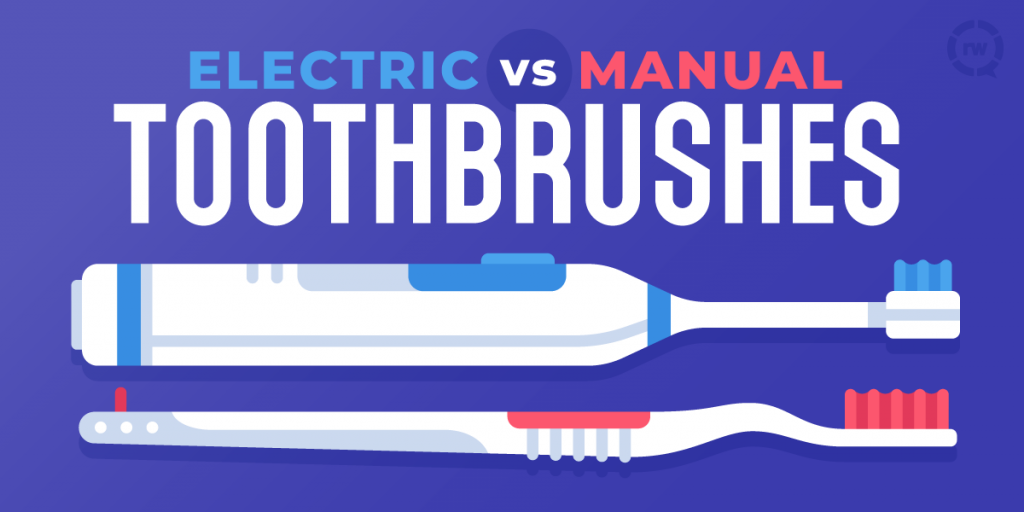 This is one of our most frequently asked questions! Our answer? It’s not the brush that matters, it’s who’s doing the brushing.
Let’s break that down. The goal of tooth brushing is to remove plaque from your teeth on a consistent (daily!) basis, so that we prevent the buildup of tartar which leads to tooth decay. A manual toothbrush is a great and inexpensive tool that helps us do just that. Make sure to brush two minutes per day, twice a day. Gently brush ALL surfaces and make sure to reach those back molars.
For some people, it can be difficult to brush properly with a manual toothbrush. Those with some form of motor disability or arthritis may benefit from using an electric toothbrush. An electric brush can also be helpful for kids or anyone with braces.
The same tooth brushing rules apply – two times per day, two minutes at a time. One advantage of an electric toothbrush is that some have a built-in timer. If you’re one of those quick brushers who has a hard time making it to two minutes, consider using a timed electric brush.
At your next dental visit, ask us whether we think you would do better with a manual or electric brush! And, as always, don’t forget to floss!
Should I Brush Before Flossing?
 The age-old question – should you floss before you brush or after? If you asked any one of our team members, you just might get a different answer on this one! Before you report them for not knowing their stuff, each response can be right! As long as you’re doing a thorough job, we don’t care when you floss!
The Case for Flossing Before Brushing
Theoretically, flossing first dislodges the gunk between your teeth, letting the fluoride in your toothpaste reach those crevices better. Also, behavioral scientists say since most people don’t like to floss, it’s better to get the least-pleasant half of your dental routine out of the way first – you’ll be less likely to skip it. Once you have a minty, fresh mouth from brushing, you might be less inclined to feel the need to floss afterward.
The Case for Flossing After Brushing
Some say flossing last is better because it clears your mouth from extra food and debris that could otherwise be carried by the floss into the very spaces you’re trying to clean out. Plus, it might be more pleasant to put those flossing hands into a clean mouth versus an unbrushed one.
Bottom Line
Floss when it works for you. But make it a habit! Choose the same time every day, floss once a day, and floss thoroughly. And don’t forget to use the right flossing method: for each new set of teeth, use a new section of floss, and hug each side of the tooth by dragging the floss upward in the shape of a “C.”
Want us to show you how? Just ask!
How to Handle Common Dental Emergencies

Let’s say you sprained an ankle. What are your first steps? Most of us probably would say something along the lines of plop down on the nearest couch, ice the ankle, elevate it, add some compression, and see a doctor if it’s a bad sprain. But what about a dental emergency, like a broken tooth? What’s your first step?
Don’t be surprised if you don’t know. Most of us aren’t that familiar with the recommendations. But after this post, you’ll be the go-to source if it happens.
So What, Exactly, is a Dental Emergency?
A dental emergency is any event that warrants immediate care to save a tooth, stop bleeding from the mouth, or relieve tooth or mouth pain. Some of the most common examples we see at Russell Park Smiles include a cracked or knocked-out tooth or a toothache.
Tips for Treating Common Dental Emergencies
We see our fair share of dental emergencies here in
Knocked-out tooth
For adults, place the tooth in the socket without touching the root; if that’s not possible, place the tooth between your check and gums, in milk, or in ADA-approved tooth-preservation solution. It’s crucial to keep the tooth wet. For children with baby teeth, come to our office as soon as possible; do not try to place the tooth in the socket.
Cracked tooth
Rinse your mouth, and place an ice pack on your face to reduce the swelling. Wrap the tooth up in wet gauze or a towel, and bring it to the office.
Toothache
Use warm water to rinse your mouth, and gently floss to remove any food. If you note any facial swelling (which may signal infection), come to our office or your healthcare provider as soon as possible.
Bitten Tongue or Lip
Clean the area with a cloth, or rinse your mouth with water. Apply an ice pack to the area. If the bleeding doesn’t slow, come to our office or go to the ER. Tips for Preventing Emergencies Taking the right measures can keep your teeth safe.
Here are a few easy precautions you and your family can take each day:
- Use scissors or a tool, rather than your teeth, to open or cut items
- Wear a mouthguard when playing high-impact sports, like football, basketball, and soccer
- Wear a helmet when using a bike, scooter, or skateboard
- Never chew hard foods, like ice and hard candy
- Help young children keep toys and small items out of their mouths
Need More Information? Give us a call or send us an email. Everyone at Russell Park Smiles is happy to answer any questions you have! Russell Park Smiles Phone Number (301) 690-9010